
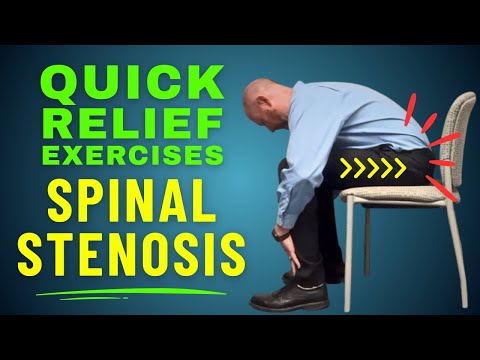
If lumbar spinal stenosis is causing pain, stiffness, or leg symptoms, certain movements can reduce pressure on the spinal nerves quickly. Positions that gently flex the lower spine can create more space in the spinal canal. This often decreases nerve compression and eases pain without medication or procedures. Relief can happen within minutes when the movement matches the mechanics of stenosis.
This applies to people with lumbar spinal stenosis, arthritis-related narrowing, or chronic low back and leg symptoms that worsen with standing or walking. Spinal stenosis is commonly misunderstood because many people are told to strengthen or stretch aggressively. In many cases, extension-based movements can increase nerve pressure, while controlled flexion-based exercises can calm symptoms. Lumbar spinal stenosis differs from disc herniation because the problem is space reduction, not disc material pushing out.
In this video from Houston chiropractor Dr. Kevin Wafer, the focus is on spinal stenosis exercises that are safe, simple, and specific to lumbar stenosis. You will learn why seated and standing positions often help more than floor exercises. The video explains how these lumbar stenosis exercises reduce compression on nerves, why they work for spinal stenosis specifically, and which common stretches and exercises often make lumbar spinal stenosis worse. Understanding the mechanism helps you choose movements that relieve pain instead of increasing it. In this video, you will learn: – Why certain exercises reduce nerve pressure in lumbar spinal stenosis. – How to perform safe seated and standing spinal stenosis exercises at home. – Which common movements and stretches can worsen lumbar stenosis symptoms.